
Advertising Or Legalised Lies
- Time To Read: approximately 1 minute 40 seconds
 It is a long established fact that a reader will be distracted by the readable content of a page when looking at its layout. H.G. Wells made the famous statement that “advertising is a legalized form of lying”. While many people argue that advertisers exploit the emotions of people, nothing could be farther from the truth.
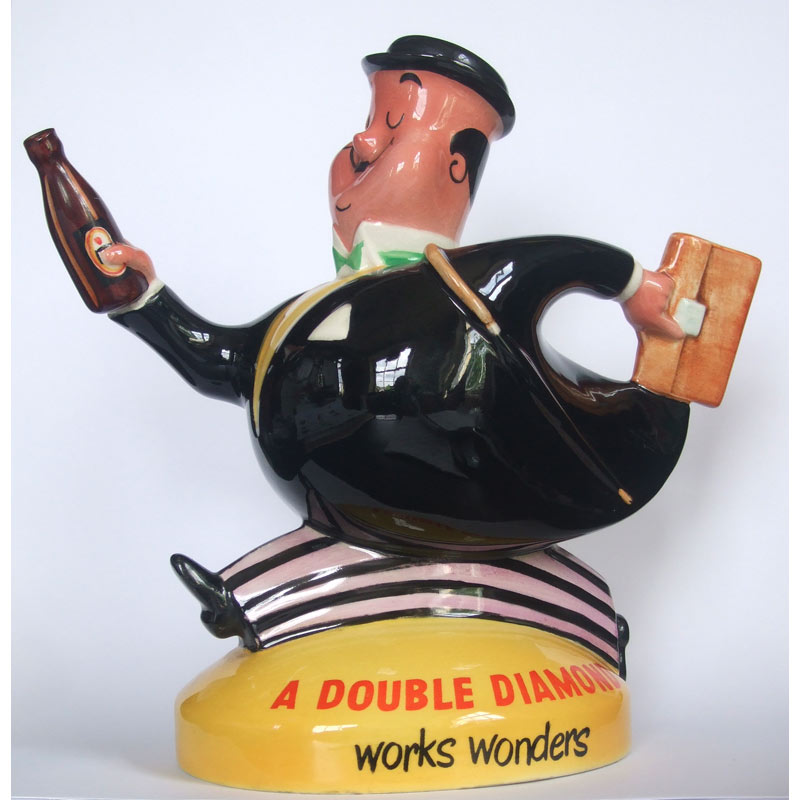
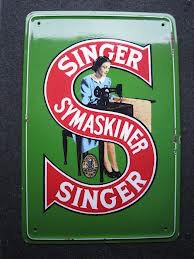 Advertising is as old as barter and the market place itself, and almost anything can and has been used as an advertisement. When it survives, the mass produced and supposedly ephemeral object can become rare and much prized.
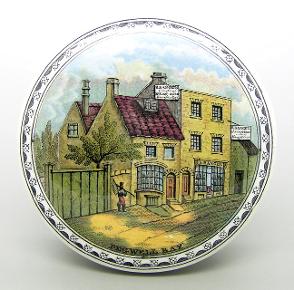 Pot-lids are one of the earliest forms of visual advertising that first made an appearance in the 1830's and continued until the 1910's. All types of consumer products, from toothpaste to meat paste and the amusing ‘bear’s grease’, (a healthy hair pomade, somewhat like hair gel), were packaged in small ceramic pots with lids. The lids were decorated with appealing images that, it was hoped, would help them sell more of their product.The same theory is still practised today by the advertising industry.
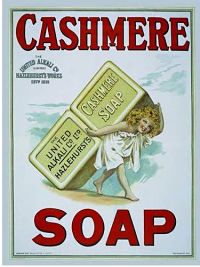 Before the advent of giant hoardings and huge printed posters, roadside advertising was much more restrained. In fact there is a song about the demise of corner shops which includes one verse:
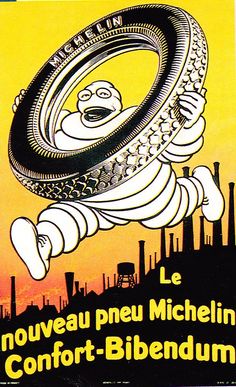 The Michelin tyre company created a mascot that has served as the textbook example of how to achieve corporate identity on a global scale.